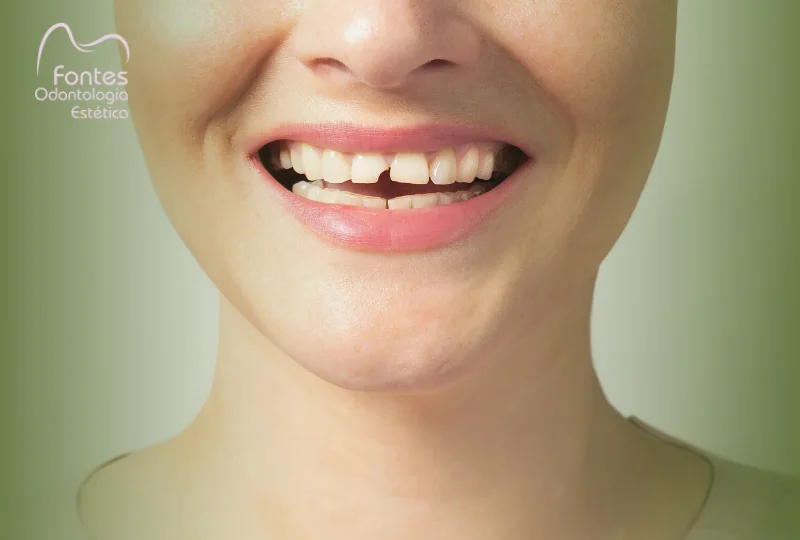
Having a broken tooth is more common than you might think, and it can happen to people of all ages.
Although, in many cases, a fracture may seem like a simple or purely cosmetic issue, it can cause a range of discomforts — such as pain, sensitivity, and difficulty chewing — as well as directly affect your confidence when smiling. After all, the appearance of your smile has a major impact on self-esteem and how we present ourselves to the world.
This type of injury can occur for many reasons, including falls, accidents, playing sports without protection, chewing very hard foods (such as ice, hard candy, or unpopped popcorn kernels), or even pre-existing problems, such as teeth with old fillings, deep cavities, or wear caused by bruxism.
Regardless of the cause, a tooth fracture requires immediate attention. When not treated properly, it can develop into more serious problems, such as infections, tooth loss, and even the need for more complex procedures in the future.
In this article, we will explain everything you need to know about the subject: from the most common causes of broken teeth to symptoms that require attention, the risks involved, the main treatments available, and the necessary care after repair. If you are dealing with this issue or want to learn how to prevent future fractures, keep reading. With the right professional care, it is entirely possible to restore the appearance, function, and health of your smile safely, comfortably, and with natural-looking results!
⚕️ Treatment Options for Broken Teeth
The type of treatment for a broken tooth depends on several factors, including the extent of the fracture, the location of the tooth, whether the pulp (the inner part containing nerves and blood vessels) is affected, overall oral health, and the patient’s aesthetic goals. At Fontes Odontologia, we offer personalized, modern treatments focused on preserving as much of the natural tooth structure as possible. Explore the main solutions available:
Composite Resin Restoration
For small to medium fractures, especially when only part of the tooth crown has been damaged, a composite resin restoration is one of the most recommended techniques. Resin is an aesthetic and versatile material that is shaped directly onto the tooth to restore its original anatomy. In addition to being a quick and minimally invasive solution, it delivers highly aesthetic results, with a shade that closely matches the natural tooth for a discreet and harmonious finish.
Dental Veneers
When the fracture affects the front surface of the tooth or compromises the harmony of the smile, veneers are an excellent alternative. These thin shells, made of composite resin or porcelain, are bonded to the front surface of the tooth, correcting imperfections in shape, color, and alignment. Veneers are widely used in cosmetic treatments and create a more even, youthful, and natural-looking smile. They are especially recommended for fractures affecting anterior teeth (front teeth), where aesthetics are a priority.
Dental Crowns
For more extensive fractures that affect a large portion of the tooth or threaten its structure, dental crowns are the best option. A dental crown works like a “cap” that covers and protects the weakened tooth, restoring its chewing function, strength, and appearance. At Fontes Odontologia, we work with high-performance materials such as porcelain, zirconia, and all-ceramic restorations — all with an extremely natural appearance and long-lasting durability.
Root Canal Treatment (Endodontics)
If the fracture reaches the dental pulp — the tooth’s “nerve” — root canal treatment becomes essential to eliminate pain, infection, and save the remaining tooth structure. The procedure involves removing the damaged pulp, cleaning the inside of the root canals, and sealing them with a biocompatible material. After root canal treatment, the tooth usually needs to be restored with a crown to ensure its long-term integrity and function.
Dental Implants
In the most severe cases, when the fractured tooth cannot be restored or needs to be extracted, a dental implant is the most effective and long-lasting solution. It involves replacing the root of the lost tooth with a titanium post, which serves as a foundation for a custom-made prosthetic tooth. The result is a new tooth that integrates seamlessly with the dental arch in both appearance and function. Implants offer safety, comfort, and durability, and are considered the gold standard in oral rehabilitation.
Regardless of the severity of the fracture, it is best to seek dental care as soon as possible. The earlier the diagnosis is made and treatment begins, the greater the chances of preserving the tooth and preventing complications such as infections, chronic pain, and even permanent tooth loss.
🔁 Before and After Tooth Restoration


💚 Care After Restoring a Broken Tooth
After treatment for a broken tooth, some precautions are essential to ensure the longevity of the restoration and prevent further fractures:
- Maintain thorough oral hygiene: brush your teeth after meals and floss daily.
- Avoid hard foods: at least during the first few weeks, avoid biting hard foods with the restored tooth.
- Wear a mouthguard: if you play sports, use protective gear to prevent trauma.
- Treat bruxism: if diagnosed, use an occlusal splint to protect your teeth while sleeping.
- Schedule regular dental visits: regular check-ups are essential for monitoring the restoration and your overall oral health.
🤔 Possible Causes of a Broken Tooth
Several factors can contribute to a broken tooth, and understanding these causes is essential both for preventing the problem and seeking appropriate treatment at the right time. Fractures often occur suddenly, but in most cases, there are everyday risk factors that go unnoticed.
Trauma and Accidents
Falls, direct blows to the face, collisions during sports, and car accidents are among the main causes of broken teeth. Depending on their intensity, these injuries can result in anything from small chips to complete fractures that reach the tooth root. Using mouthguards during sports activities is highly recommended to reduce the risk.
Chewing Hard Foods
Foods such as ice, hard candy, almonds, unpopped popcorn kernels, and even certain types of crusty bread can cause cracks or fractures, especially when the tooth is already compromised. Sometimes, a simple “crack” while chewing may indicate the beginning of a fracture. For this reason, it is important to pay attention to any discomfort when eating these types of foods.
Deep Cavities
Cavities compromise the integrity of the enamel and dentin — the protective layers of the tooth — making it more fragile and prone to fractures. When left untreated, cavities progress silently, leaving the tooth unable to withstand normal chewing pressure, which can result in unexpected breakage.
Bruxism
Bruxism, the involuntary habit of clenching or grinding the teeth, especially during sleep, is one of the most common causes of dental fractures. Excessive force on the teeth creates microcracks over time, which accumulate and eventually lead to larger fractures. This wear can also compromise fillings and already weakened dental structures.
Old and Worn Restorations
Old dental restorations, such as amalgam fillings, composite fillings, or poorly fitted crowns, can deteriorate over time and lose their ability to protect the tooth. This makes the remaining tooth structure more vulnerable, especially if there is leakage, invisible cracks, or recurrent decay. Regular dental check-ups are essential to identify these problems before they result in fractures.
🧬 Symptoms and Risks of a Fractured Tooth
A dental fracture is not always visible to the naked eye. Often, symptoms appear before the damage is noticed. Watch for the following signs:
- Pain when chewing or biting
- Sensitivity to cold or heat
- Persistent discomfort in a specific tooth
- Swollen or bleeding gums around the tooth
- Visible fragments or partial loss of the tooth
🚨 Why Is It Important to Treat a Broken Tooth Quickly?
A broken tooth, even when it appears minor, can lead to serious complications:
- Infections in the dental pulp
- Abscesses
- Severe pain
- Permanent tooth loss
- Aesthetic and functional problems
For this reason, if you notice any of these signs, seek an evaluation from a dentist immediately.
😱 Did You Break a Tooth? Schedule an Emergency Appointment at Fontes Odontologia in Ipanema!
If you are dealing with a fractured tooth — whether caused by trauma, wear, or any other reason — do not delay treatment. Even small fractures can worsen quickly, compromising the tooth structure, causing severe pain, and even leading to tooth loss. Acting quickly is essential to preserve your oral health and restore the function of your smile.
📍 At Fontes Odontologia, located in the heart of Ipanema, you will find specialized, compassionate, and emergency dental care focused on resolving the issue quickly and effectively. Our team of experienced dentists is prepared to provide an accurate diagnosis and recommend the best treatment plan for your case, based on a detailed clinical assessment and imaging exams.
- ✔️ We use state-of-the-art technology, allowing us to perform highly aesthetic and long-lasting restorations while minimizing discomfort and treatment time.
- ✔️ We use next-generation materials, including high-performance composite resins, porcelain and zirconia crowns, cosmetic veneers, and custom dental implants — all to ensure a natural, functional, and harmonious result.
- ✔️ Our commitment is to your health, well-being, and confidence to smile again — without pain, embarrassment, and with complete safety.
Whether you need a simple restoration or full-mouth rehabilitation, we are ready to care for your smile with excellence. Schedule an emergency appointment at Fontes Odontologia today and smile again with peace of mind! You deserve the best dental care — and it is here in Ipanema, ready to welcome you.