

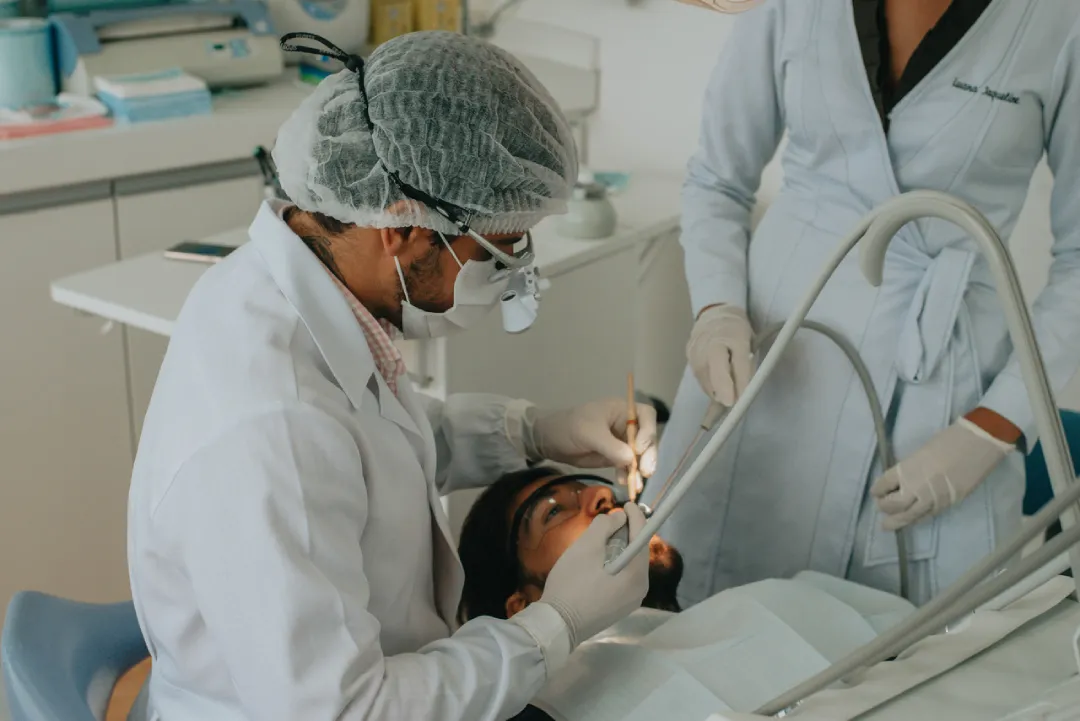
Root canal treatment, or endodontics, is one of the most important dental procedures for preserving teeth. Often surrounded by myths and fears, it is essential when there is infection or inflammation in the dental pulp, preventing serious complications such as abscesses and tooth loss.
With advances in techniques and technology, this dental procedure has become much more comfortable, safe and efficient, allowing millions of people around the world to maintain their oral health and quality of life.
On this page, we explain when root canal treatment is indicated, how care works at our clinic in Ipanema and the benefits of having the procedure done safely and comfortably.
What is root canal treatment?
Root canal treatment is a dental procedure indicated when the inner part of the tooth is compromised by inflammation or infection, causing pain, sensitivity or risk of tooth loss. The goal of the treatment is to eliminate the infection, relieve pain and preserve the natural tooth, avoiding extraction.
During the procedure, the dentist removes the affected tissue, cleans and disinfects the canals and seals the inside of the tooth with biocompatible materials, ensuring the safety and durability of the treatment. When necessary, the tooth is later reinforced with a suitable restoration to fully restore its function.
Want to better understand what a root canal is and why it becomes necessary?
See also: What a root canal means (explanatory article, in Portuguese).
Indications for the procedure
Root canal treatment may be indicated in a number of clinical situations. The most common include:
- Deep tooth decay: When a cavity is not treated in time, it can progress, reaching the dentin and then the dental pulp. In these cases, the infection can cause intense pain, swelling and even an abscess. Root canal treatment is the most appropriate solution to remove the compromised tissue and preserve the tooth.
- Dental trauma: Blows or falls can cause fractures or injuries to the tooth structure, exposing the pulp and encouraging bacterial contamination. Even without visible signs, an impact can lead to pulp necrosis, requiring endodontic intervention.
- Prosthetic needs: When a tooth needs a crown or post but has pulp involvement, root canal treatment is indicated to properly prepare the tooth for rehabilitation.
- Inflammation and infection: Infectious processes such as abscesses, fistulas and osteomyelitis can originate from untreated pulp infections. Endodontics stops the spread of bacteria and promotes healing of the infection.
- Severe gum recession: In some cases, root exposure caused by gum recession can lead to contamination and necrosis of the pulp, making root canal treatment necessary.
Step-by-step root canal treatment at our clinic in Ipanema, Rio de Janeiro

At Fontes Odontologia, we follow a rigorous, up-to-date protocol to ensure the safety and effectiveness of root canal treatment. Here is each step:
- Accurate diagnosis: Through clinical examination, periapical X-rays and, when necessary, CT scans, we assess the extent of the damage and identify the anatomy of the root canals.
- Local anesthesia: Before starting treatment, we apply local anesthesia to ensure the procedure is completely painless and comfortable.
- Rubber dam isolation: Using a rubber dam, we isolate the tooth to prevent contamination with saliva and ensure greater asepsis.
- Access and pulp removal: We create an opening in the crown of the tooth to access the pulp chamber, carefully removing all infected or necrotic tissue.
- Instrumentation and cleaning: We use manual and rotary files to widen and shape the canals, providing deep and thorough cleaning that removes debris and microorganisms.
- Disinfection: We apply powerful antimicrobial irrigating solutions, such as sodium hypochlorite, to eliminate any trace of infection.
- Filling: After cleaning, the canals are filled with biocompatible materials, hermetically sealing the space and preventing reinfection.
- Restoration: Finally, the tooth is restored with composite resin, a metal or ceramic core and often a crown to restore its function and strength.
📚 Read also: Toothache: causes and relief · Broken tooth: what to do
🦷 Related treatments: Dental Crowns
Aftercare
The success of root canal treatment also depends on the care taken after the procedure. Here are the main recommendations:
- Avoid chewing hard foods
- Right after treatment, avoid chewing on the treated tooth until the permanent restoration is placed, to prevent fractures.
- Maintain rigorous oral hygiene
- Brush your teeth gently and floss daily. Oral hygiene is essential to prevent new infections and ensure the durability of the treatment.
- Take medication as prescribed
- If the dentist recommends painkillers, anti-inflammatories or antibiotics, follow the instructions carefully.
- Attend follow-up appointments
- Dental follow-up is essential to monitor the progress of the treatment and place the permanent restoration if a temporary one was used.
- Watch for warning signs
- Although rare, intense pain, swelling or fever after treatment should be reported to the dentist immediately.
Get rid of toothache! Book your root canal treatment at Fontes Odonto!
If you are living with toothache, sensitivity when chewing or have noticed changes in the color of a tooth — such as darkening or stains — these may be signs that something more serious is going on. These symptoms often indicate the need for endodontic treatment, known as root canal treatment.
Ignoring these signs can allow the problem to progress silently, leading to more serious infections such as abscesses, swelling, tooth loss and even complications that affect your overall health. That is why seeking specialist help as soon as possible is essential to keep a simple condition from becoming more complex.
At Fontes Odontologia, you will find the ideal support to take excellent care of your oral health. We have a highly qualified endodontics team made up of experienced professionals who keep up to date with the most modern dental techniques. In addition, our clinic offers complete, modern and welcoming facilities, equipped with cutting-edge technology such as operating microscopes, apex locators and rotary systems that provide greater precision, safety and speed during the procedure.
We prioritize humane, individualized care, understanding each patient’s specific needs from diagnosis to post-treatment follow-up. Our goal is to make sure you feel welcomed, comfortable and completely safe at every stage of treatment.
Remember: don’t put off caring for your oral health! The earlier root canal treatment is performed, the greater the chances of preserving your tooth for good, avoiding more invasive procedures such as extractions or implants.
In addition, early treatment provides quick pain relief and a significant improvement in your quality of life, allowing you to smile, speak and eat comfortably and confidently again.
Want to better understand what a root canal is and why it is necessary?
See also: What a root canal means (explanatory article).
Common questions before having root canal treatment

Sedation for Surgery
An anesthetic technique that lowers a person's level of consciousness to reduce anxiety and improve patient comfort during unpleasant procedures.

Personalized Treatment
With the health of the body and the individual in mind, we offer treatments suited to the widest range of dental problems.

Intensive Care
To speed up treatment, we offer procedures designed to achieve a high degree of effectiveness in the shortest possible time.

Modern Equipment
For a better patient experience and quality of service, we offer high-tech equipment and the most modern techniques in every specialty.