

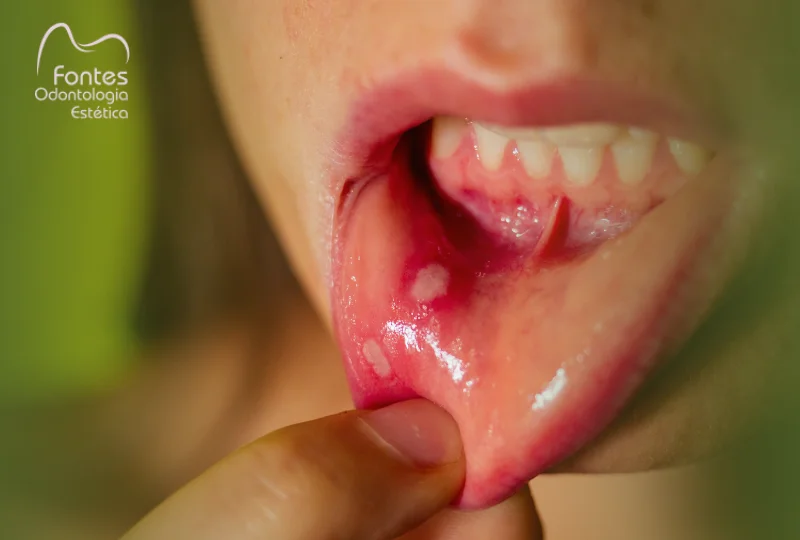
A canker sore in the mouth is often treated as something simple, but that is not always the case.
When the sore causes intense pain, keeps coming back or takes a long time to heal, it is no longer just an occasional nuisance.
At Fontes Odontologia, in Ipanema, canker sore treatment is carried out in a clinical, targeted way. The focus is not only on relieving the symptom, but on identifying the cause, controlling the pain and reducing the risk of recurrence. This care is especially important for patients who live with frequent canker sores or who feel a direct impact on eating, speaking and their daily routine.
Not every canker sore requires clinical intervention, but when the condition falls outside the usual pattern, relying only on home remedies can delay proper treatment. This is where a professional assessment makes a difference, especially when there is a history of recurrence or heightened sensitivity.
When a canker sore is no longer normal
Not every canker sore in the mouth needs immediate clinical treatment.
The warning sign appears when the condition keeps recurring, the pain intensifies or it does not heal as expected.
A few signs help determine when a canker sore stops being an isolated event and calls for a professional assessment:
Frequent recurrence: Canker sores that appear several times a month, or that come back soon after healing, indicate a persistent trigger — either local or systemic.
Intense or disabling pain: When the pain interferes with speaking, chewing or swallowing, the discomfort is no longer tolerable and starts to affect your routine.
Slow healing: Canker sores that last more than 10 to 14 days, even with basic care, fall outside the expected healing pattern.
Association with other conditions: Weakened immunity, high stress, hormonal changes, gastrointestinal problems or the use of certain medications may be linked to recurrent canker sores.
These criteria help identify the patients who truly benefit from in-office canker sore treatment, avoiding both unnecessary interventions and the neglect of conditions that deserve attention.
In cases of intense pain or recurrent canker sores, a clinical assessment makes it possible to define the best approach for your case.
How clinical treatment is carried out
Clinical canker sore treatment always begins with a careful assessment.
The goal is to understand why the sore appeared, not just to relieve the symptom for the moment.
The first step is the clinical assessment of the sore, looking at its location, size, depth, how long it has been present and the patient’s history. This step is essential to distinguish common canker sores from other changes in the oral mucosa that may look similar but require different approaches.
Next, a differential diagnosis is made.
Here, the professional assesses whether the canker sore is related to local factors (trauma, biting, braces), systemic factors (immunity, stress, nutritional deficiency) or inflammatory factors. This analysis avoids generic, repetitive treatments that do not solve the root of the problem.
Once the diagnosis is defined, the focus shifts to controlling pain and inflammation. Depending on the case, clinical resources may be used to reduce sensitivity, speed up healing and restore comfort to the patient within the first hours after the appointment.
The final approach is tailored to the cause. There is no single protocol for every canker sore case. Each condition calls for a specific approach, especially when there is a history of recurrent canker sores or a direct impact on quality of life.
Laser therapy for canker sores: when is it indicated?
Laser therapy for canker sores is indicated mainly in cases of intense pain, difficulty eating or when the sore disrupts the patient’s routine.
It is a clinical resource that acts directly on the canker sore, without contact and without additional trauma.
In practice, the laser helps to reduce pain almost immediately, in addition to speeding up the healing of the oral mucosa. It works by reducing local inflammation and stimulating tissue regeneration, which makes the treatment especially useful for large canker sores or those located in sensitive areas, such as the tongue and gums.
This approach is not indicated for every case. For small, short-lived canker sores, the laser may not be necessary. However, in cases of recurrent canker sores, painful lesions or when the patient has already tried other approaches without success, the laser becomes a real advantage in clinical treatment.
Another relevant point is that the procedure is quick and non-invasive. There is no need for anesthesia or recovery time, which allows the patient to return to normal activities right after the appointment.
Why treat recurrent canker sores
Living with recurrent canker sores is not just a matter of occasional discomfort.
When the sores appear frequently, they start to directly affect your quality of life.
Constant pain can make eating, speaking and even oral hygiene difficult. In some cases, the patient starts avoiding certain foods or social situations for fear of making the condition worse. This cycle tends to repeat itself as long as the cause of the canker sore is not identified and properly treated.
Another important point is ruling out associated diseases. Frequent canker sores may be related to immune changes, nutritional deficiencies, gastrointestinal disorders or reactions to medications. Clinical treatment makes it possible to investigate these factors and rule out conditions that require specific follow-up.
In addition, proper treatment reduces the chance of frequent flare-ups. By controlling the trigger — whether local or systemic — the number of episodes tends to decrease, as does the severity of the sores when they do appear.
That is why treatment should not focus only on the visible canker sore, but on the patient’s full context. This approach prevents recurring episodes and dependence on temporary solutions.
If you would like to learn more about the topic before deciding on clinical care, we explain the main factors associated with recurrent canker sores in a dedicated article.
» Learn what can cause canker sores in the mouth (in Portuguese).
Care in Ipanema
When a canker sore in the mouth falls outside the usual pattern, having nearby, well-structured clinical care makes a difference.
Fontes Odontologia is located in Ipanema, with easy access for those who live in or travel around the South Zone of Rio de Janeiro.
Care is focused on clinical canker sore treatment, with an individual assessment, definition of the best approach for each case and, when indicated, the use of laser therapy for canker sores as a therapeutic resource. The goal is to solve the problem objectively, without prolonging painful conditions or repeating solutions that have not worked before.
For patients with recurrent canker sores, intense pain or sores that do not heal, professional follow-up allows for more precise and safe action. You can contact us directly, whether to clear up initial questions or to book a clinical assessment.
Seeking treatment at the right time keeps canker sores from continuing to limit your routine. If this is your case, the next step is simple.
📚 Read also: Canker sores: causes and relief
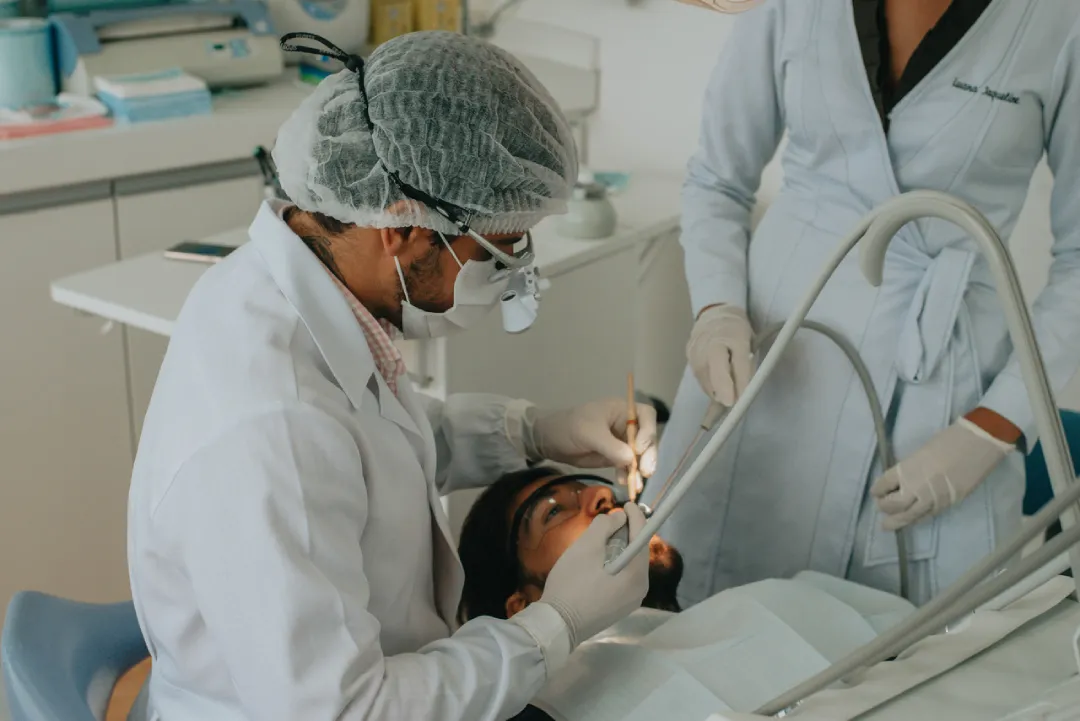
Invisalign Clinic in Ipanema
At Fontes Odontologia, we offer Invisalign treatments in Ipanema focused on precision, comfort and aesthetics. Our certified Invisalign dentists work with advanced digital planning to ensure safe and predictable movements, considering not only the alignment of the teeth but the entire functional balance of the mouth. Each treatment is structured based on modern protocols and scientific evidence, ensuring a discreet, efficient and fully personalized experience.

3D Technology and Digital Planning
We use intraoral scanning and advanced software to simulate results, predict movements and ensure precise alignment at every stage of treatment.

Personalized Follow-up
Each patient receives an exclusive orthodontic plan, with continuously monitored adjustments to ensure predictable and efficient results.

Comfort and Discretion
Invisible aligners allow for a hassle-free routine, with fewer appointments, no metal wires and no impact on the look of your smile during treatment.

Specialized Orthodontics
Our team is trained in modern orthodontic protocols and has experience treating simple, moderate and complex cases with Invisalign.