

Single Dental Implant 📍 Ipanema - RJ
Indications, Benefits and How the Procedure Works.
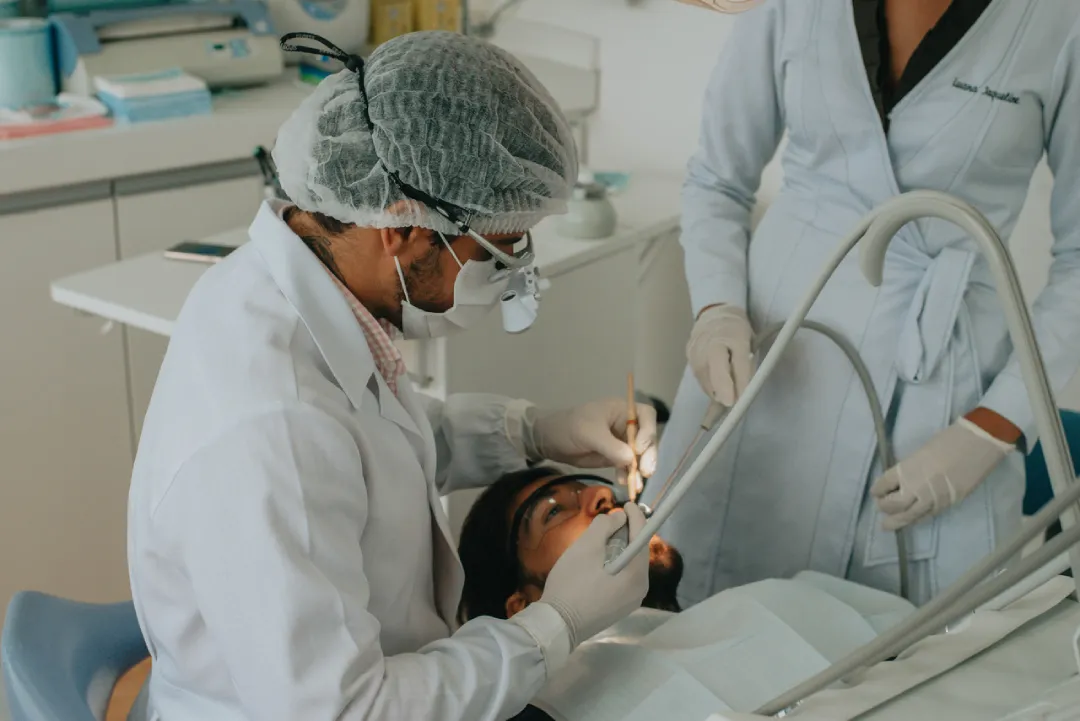
Losing a single tooth can affect not only the look of your smile, but also chewing, speech and overall oral health. Fortunately, with advances in modern dentistry, it is possible to restore a lost tooth efficiently, safely and durably with a single dental implant. This technique has been widely adopted by patients looking to regain the function and natural appearance of their smile with highly satisfying results.
In this article, you will learn what a single implant is, when it is indicated, how the procedure works, its main benefits and the care needed after surgery. If you are considering this treatment option, read on to have all your questions answered and make an informed decision.
What is a Single Dental Implant?
A single dental implant is one of the most modern, safe and effective solutions in dentistry today for replacing a single missing tooth. It is indicated when the patient has lost a tooth, whether due to trauma, advanced decay, root fracture or failure of previous treatments, and wants to fully restore chewing function, aesthetics and oral health.
The procedure involves the surgical placement of a small metal post, usually made of titanium or zirconia, biocompatible materials with a very high clinical success rate. This post is anchored directly in the lower or upper jawbone and acts as an artificial root, replacing the structure of the lost tooth from its base. After a healing period, osseointegration takes place: the natural process in which the bone adapts to and firmly bonds with the implant, making it extremely stable.
Once the bone has fully integrated, a single-tooth prosthesis is attached to the implant — usually a porcelain or zirconia crown that perfectly reproduces the shape, color and shine of natural teeth. The result is highly aesthetic and functional, virtually indistinguishable from the other teeth in the arch.
Unlike traditional dental bridges — which require grinding down neighboring teeth for support — a single implant preserves the integrity of healthy teeth, as it is anchored directly in the bone without relying on other dental structures. It also helps preserve the alveolar bone, since the chewing stimulus transmitted by the implant helps prevent bone resorption, which is common in areas where a tooth has been missing for a long time.
Another advantage is that, with technological advances, the procedure has become minimally invasive, using increasingly precise techniques such as computer-guided surgery, which allows for safe, quick placement and a more comfortable post-operative recovery.
Furthermore, in areas where aesthetics are a priority, the immediate loading technique can be used. This means that right after the implant is placed, we fit a temporary resin crown, allowing the patient to keep a harmonious smile during the osseointegration period. After this phase — once the implant is fully integrated with the bone — we replace the temporary prosthesis with a permanent porcelain or zirconia crown, ensuring an aesthetic, strong and natural result.
Indications and Contraindications
✔ Indications for a Single Implant:
- Loss of a tooth due to trauma or deep decay;
- Need for aesthetic replacement of a visible tooth;
- Missing back teeth that impair chewing;
- Mild to moderate bone resorption, with enough volume for support;
- Patients who want a fixed, functional and aesthetic solution.
❌ Contraindications (relative or absolute):
- Insufficient bone mass (may require a bone graft);
- Patients with uncontrolled systemic diseases (such as diabetes or severe hypertension);
- Use of medications such as bisphosphonates;
- Active, uncontrolled periodontal problems;
Each case must be assessed individually by a dentist specialized in implant dentistry, who will carry out clinical and radiographic exams, such as 3D CT scans, to recommend the best treatment plan.
The Single Implant Placement Process
The single implant procedure is divided into well-defined stages:
1️⃣ Assessment and Personalized Planning
Everything starts with a thorough initial consultation, in which the dentist carries out a complete clinical analysis of the patient’s oral health. Exams such as panoramic X-rays and, above all, 3D CT scans are requested, allowing an accurate assessment of:
- The quantity and quality of bone available where the implant will be placed;
- The position of nerves and adjacent structures, to ensure complete safety during surgery;
- The need for a bone graft or complementary gum surgery.
Based on this data, the professional defines the type of implant, the ideal size (post diameter and length) and the best positioning to ensure aesthetics, function and durability. Planning is individualized and digital, using software that simulates the procedure and reduces risks.
2️⃣ Implant Placement Surgery
After planning, the surgery to place the titanium post in the lower or upper jawbone is scheduled. The procedure is performed under local anesthesia and is painless and minimally invasive.
The process includes:
- A small incision in the gum to access the bone;
- Controlled drilling of the site where the implant will be inserted;
- Placement of the titanium post (implant) and closure of the gum with stitches.
Surgery usually takes 30 to 60 minutes, depending on the complexity of the case and the need for complementary procedures such as a bone graft. In most cases, the patient receives simple post-operative instructions and can return to normal activities within a few days.
3️⃣ Osseointegration Period
This is one of the most important stages for the success of the implant. Osseointegration is the natural process in which the patient’s bone fuses with the titanium post, forming a solid, stable structure that will work like a tooth root.
This period takes 3 to 6 months, depending on factors such as:
- The bone density of the area;
- The patient’s general health (smoking, diabetes, etc.);
- The surgical technique used.
During this time, an aesthetic temporary prosthesis can be used, especially in visible areas of the smile, so the patient is not left with a gap. Clinical follow-up is carried out regularly to assess healing and make sure everything is going as expected.
4️⃣ Placement of the Permanent Crown
Once the implant is fully osseointegrated, the prosthetic phase begins. The dentist takes a digital or conventional impression of the arch so that the permanent crown can be made with high precision and personalized aesthetics.
This crown is usually made of:
- Porcelain or zirconia, as they are highly resistant and look very similar to natural teeth;
- It is attached to the implant by means of an abutment, which connects the implant to the prosthesis.
The result is an extremely natural tooth replacement that restores chewing function, the look of the smile and the patient’s comfort, with excellent durability.
Benefits of a Single Implant
✅ High durability
Dental implants are known for their exceptional longevity. When placed correctly and combined with good oral hygiene habits, regular dental visits and the absence of periodontal disease, they can last 20 years or more — in many cases, even a lifetime. This durability makes them a highly advantageous option compared with other prostheses, which often need to be replaced or adjusted over time.
✅ Natural aesthetics
The crown placed on the implant is fully customized, shaped to match the form, size and shade of the patient’s natural teeth. The most commonly used materials, such as porcelain and zirconia, provide shine, texture and translucency similar to tooth enamel, delivering a highly faithful aesthetic result. The smile looks harmonious, beautiful and natural — without anyone noticing an artificial tooth.
✅ Bone preservation
When we lose a tooth, the bone that supported it begins a process called bone resorption, because it no longer receives stimulation during chewing. A dental implant acts as an artificial root, stimulating the bone and preventing this loss. This is essential not only for oral health, but also to preserve the alignment of neighboring teeth and ensure stability over the years.
✅ Comfort and security
Unlike removable prostheses, which can shift during speech or chewing and cause discomfort, an implant is anchored directly in the bone, offering complete stability. This allows the patient to eat more confidently, speak without fear of the prosthesis moving and have an experience much closer to natural teeth. There is no need for adhesives or to remove it for sleeping or cleaning.
✅ Preserving facial structure
Over time, bone loss caused by missing teeth can lead to a sunken lower third of the face, resulting in deeper wrinkles, sagging and an aged appearance. Because the implant preserves the surrounding bone, it also helps maintain a youthful, firm facial contour, preventing premature facial aging and ensuring a healthier appearance.
✅ Quality of life
The benefits of a dental implant go far beyond oral health. Patients report a significant improvement in self-esteem, confidence when smiling, clearer speech and enjoyment of food. Eating foods previously avoided because of pain or an unstable prosthesis becomes possible again, making daily life more pleasant. In short, an implant restores not just a tooth, but the freedom to live with greater well-being.
Post-operative Care
Recovery after single dental implant surgery is simple, but requires attention to professional recommendations:
- Avoid chewing on the implant area in the first few days;
- Maintain rigorous oral hygiene, using a soft brush and antiseptic mouthwash;
- Avoid smoking, especially during healing;
- Take it easy for the first 24 to 48 hours;
- Take the prescribed medication correctly;
- Attend your scheduled follow-up appointments.
With proper care, recovery is quick and smooth. Most patients can resume their normal activities the next day.
Restore Your Smile with a Single Implant! Book Your Appointment at Fontes Odontologia in Ipanema!
At Fontes Odontologia, located in the heart of Ipanema, we offer complete implant dentistry treatments, with cutting-edge technology, digital planning and a specialized team.
We offer:
- 3D CT scans for precise planning;
- Digital prosthesis design for natural aesthetics;
- Minimally invasive techniques for greater comfort;
- Detailed follow-up from before to after surgery.
If you have lost a tooth and want to regain your self-esteem, chewing function and the look of your smile safely, book an assessment with us!
Frequently asked questions about single dental implants
Does a single dental implant hurt?
The procedure is performed under local anesthesia, making it comfortable for the patient. Mild discomfort may occur after surgery and is controlled with appropriate medication.
How long does single implant treatment take?
The total treatment time varies with each clinical case and may include a healing period for the implant to integrate before the final crown is placed.
Does a single implant safely replace a natural tooth?
Yes. When properly indicated and performed, a single implant restores chewing function, stability and appearance in a predictable and safe way.
How long does a single dental implant last?
With proper hygiene and professional follow-up, a single dental implant can last for many years.
📚 Read also: Types of dental implants · Does a dental implant hurt?
🦷 Related treatments: Dental Implants
Pre-book an Appointment
Contents
Modern Implant Clinic in Ipanema
We offer exclusive, personalized dental treatments in Ipanema to provide the best experience for our patients, prioritizing comfort and well-being at every stage. Our approach is integrated, considering oral health an essential part of the body's overall balance. We use excellent dental techniques, always grounded in scientific evidence, with the aim of restoring your health and ensuring a harmonious, healthy smile.
Sedation for Surgery
An anesthetic technique that lowers a person's level of consciousness to reduce anxiety and improve patient comfort during unpleasant procedures.

Personalized Treatment
With the health of the body and the individual in mind, we offer treatments suited to the widest range of dental problems.

Intensive Care
To speed up treatment, we offer procedures designed to achieve a high degree of effectiveness in the shortest possible time.

Modern Equipment
For a better patient experience and quality of service, we offer high-tech equipment and the most modern techniques in every specialty.