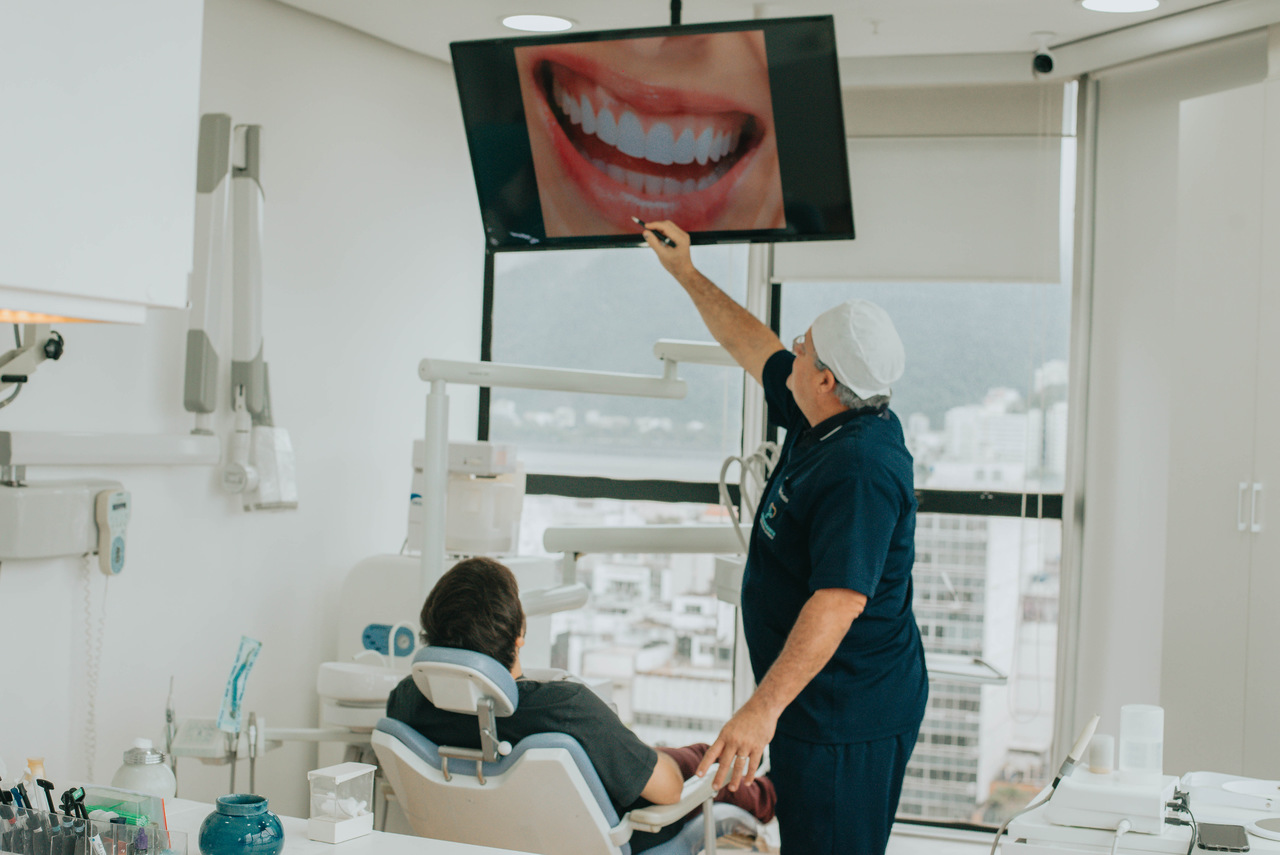
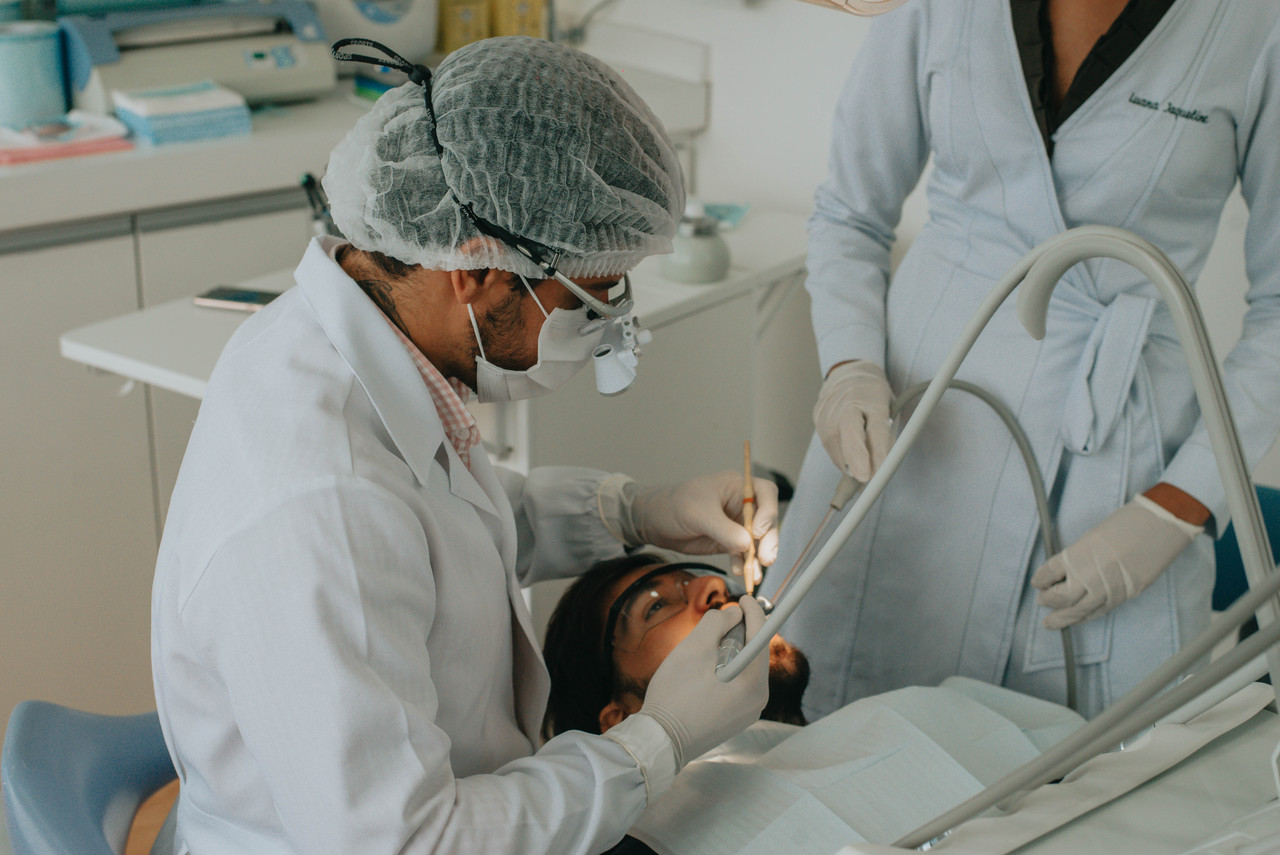
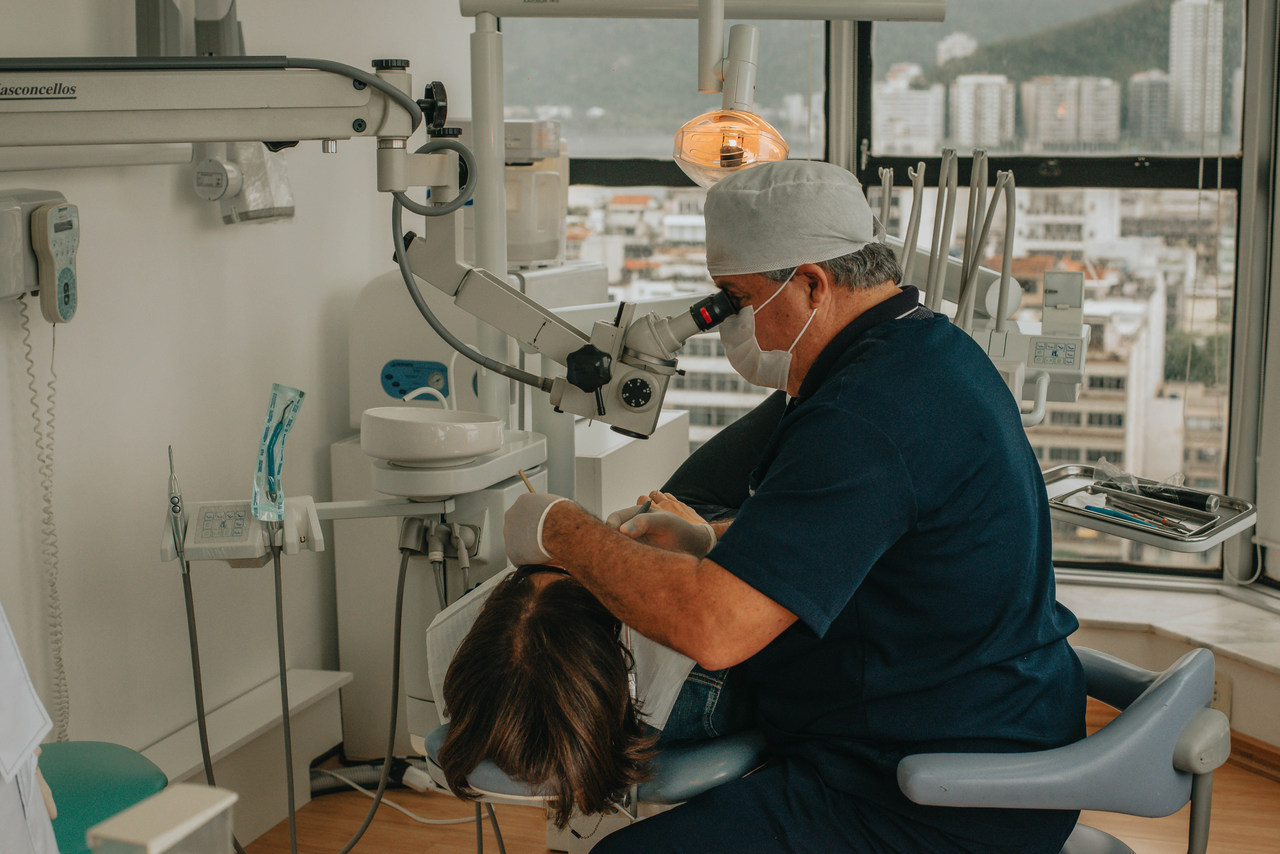
In Ipanema, more and more patients are seeking orthodontic treatment to improve the alignment of their teeth and achieve a more balanced, functional smile. At Fontes Odontologia Clinic, we offer different types of braces, from traditional models to more discreet options such as Invisalign, to meet each person’s aesthetic and functional needs.
Orthodontics is the branch of dentistry that specializes in diagnosing, preventing and treating dental and facial irregularities.
One of the most common and effective solutions offered by this specialty is braces, used to correct problems with the alignment of the teeth and jaws.
Many people wonder when is the right time to start orthodontic treatment. The answer can vary depending on each patient’s needs, but there are specific signs and conditions that indicate it is time to get braces.
In this article, we look at the reasons you may need orthodontic braces, the signs that indicate treatment is needed, the right age to start, the different types of braces available and the advantages of Invisalign, one of the most modern and discreet options for straightening teeth.
Why wear orthodontic braces?
Orthodontic braces are essential for treating a range of problems related to tooth alignment and bite which, if not corrected, can affect both aesthetics and oral health. Misaligned teeth or an incorrect bite not only spoil the smile, but can also lead to other oral problems, such as difficulty chewing, excessive tooth wear and headaches. In addition, poorly positioned teeth can cause discomfort when speaking or even breathing, affecting the patient’s quality of life. Braces are an effective solution to correct these dysfunctions, realigning the teeth and providing a number of significant benefits, such as:
- A more attractive smile: Correctly aligned teeth result in a more harmonious, attractive smile.
- Easier cleaning: Aligned teeth are easier to clean, which helps prevent cavities, gingivitis and other oral problems.
- Preventing wear and temporomandibular joint (TMJ) problems: Misalignment can cause uneven tooth wear as well as strain on the jaw joints, resulting in headaches, facial pain and even chewing problems.
- Bite correction: Braces can correct bite problems such as crossbite, overbite or open bite, improving chewing function.
So braces go beyond aesthetics — they are an investment in your oral health and quality of life.
Signs that you need braces
There are several signs that it may be time to see an orthodontist to assess whether you need braces. Some of the main signs include:
- Misaligned or overlapping teeth: If your teeth are not properly aligned or overlap each other, this can affect both aesthetics and oral health.
- Incorrect bite: If you have difficulty biting or chewing, it may be a sign that your bite is not correctly positioned. Examples include overbite (when the upper teeth overlap the lower teeth too much), open bite (when the front teeth do not meet) and crossbite (when the upper teeth sit behind the lower teeth).
- Problems speaking or chewing: If you have difficulty speaking or chewing food comfortably, this may indicate misaligned teeth.
- Jaw or joint pain: Pain or clicking in the temporomandibular joint (TMJ) can be caused by problems with the alignment of the teeth or jaw. Braces can help relieve this type of pain.
- Nail biting or other harmful habits: Habits such as nail biting, thumb sucking or even clenching your teeth while you sleep can change tooth alignment over time.
If you notice one or more of these signs, it is important to see an orthodontist for a detailed assessment. Early diagnosis is essential to avoid future complications and ensure successful treatment.
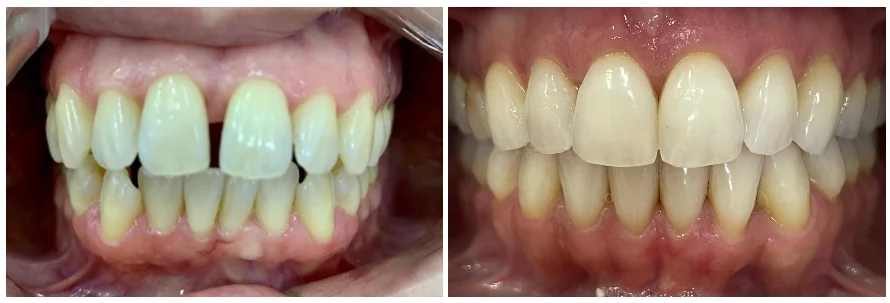
What is the right age for braces?
Although orthodontic treatment can be started at any age, the ideal age for braces depends on several factors, including the specific dental problem and the stage of development of the teeth and jaws.
In general, orthodontic treatment is most effective when started between the ages of 7 and 14, when most children already have their permanent teeth but are still growing.
Why is it better to get braces while still growing?
During this period, the body is more receptive to changes in bone structure, which makes it easier to move the teeth and align the jaws.
When treatment begins at this stage, the orthodontist can take advantage of the natural growth of the facial structures to make faster, more efficient adjustments. This can reduce treatment time and make the results more predictable.
In addition, the continued growth of the jaws makes it easier to correct skeletal problems, such as crossbite or overbite, more effectively. Braces are also more comfortable and less invasive at this stage, as the dental arch is still developing, allowing gentler adjustments.
But won’t I get good results from braces as an adult?
Of course you will! Many people start or continue wearing braces as adults. Today, modern orthodontics allows treatment at any age, as long as the patient has healthy teeth and bone.
With technological advances, there is no longer an age limit for starting orthodontic treatment, and adults can benefit from the same effectiveness as teenagers, with more discreet and comfortable options.
Today, orthodontics offers discreet alternatives such as Invisalign, which uses clear, removable aligners, making treatment much less noticeable. These aligners are custom-made for the patient and can be removed to eat, drink or brush your teeth, offering more comfort and convenience without compromising the look of your smile. In addition, more modern orthodontic treatments, such as ceramic or self-ligating braces, are also more discreet, less visible options.
So children, teenagers and adults can all benefit from orthodontic treatment, as long as they are assessed by a qualified orthodontist. In every case, personalized planning is essential to make sure the treatment meets the patient’s needs and achieves the best possible results. Whatever your age, the important thing is to seek professional advice as soon as possible to assess the best approach and protect your oral health.
Types of braces, benefits and the stages of alignment
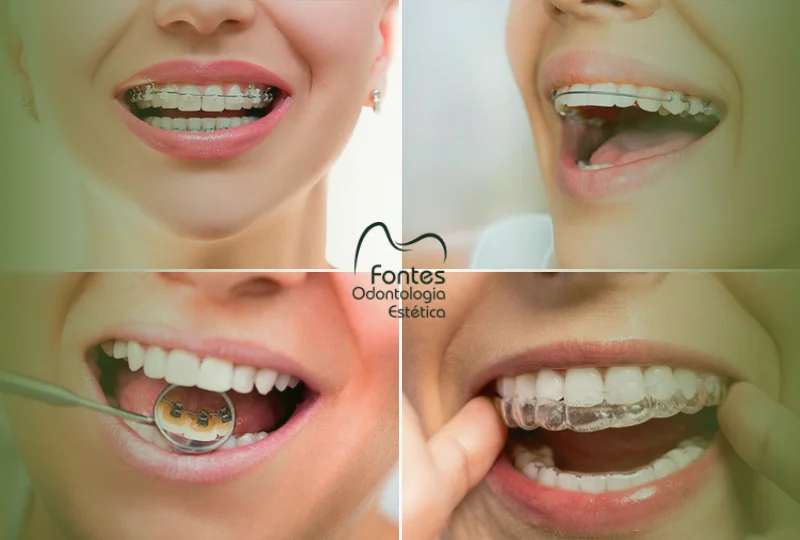
There are several types of orthodontic braces, each with its own characteristics, benefits and indications for specific cases. The main types are:
Conventional Fixed Braces
Fixed braces are the most traditional and widely used type. They consist of brackets (small supports) bonded to the teeth and joined by metal wires. Fixed braces are effective for correcting a wide range of orthodontic problems and are often used in more complex cases.
Benefits:
- Correction of severe alignment problems.
- Continuous, effective repositioning of the teeth.
- Precise control of tooth movement.
Aesthetic Braces (Fixed or Self-Ligating)
Aesthetic braces are similar to conventional fixed braces but, as the name suggests, more discreet. Instead of visible metal, they use ceramic or sapphire materials closer to the color of the teeth, making the braces less noticeable.
Benefits:
- Visual discretion.
- Effectiveness similar to conventional fixed braces.
- More comfortable than metal braces.
Removable Invisalign Aligners
This type of appliance can be removed by the patient for cleaning and eating, which makes dental care easier during treatment. Invisalign is one of the most modern and discreet orthodontic options. It consists of a series of clear aligners, custom-made for each patient, that gradually move the teeth into the desired position. Its main advantage is that it is virtually invisible, allowing discreet orthodontic treatment without compromising the look of your smile.
Benefits:
- Discretion: the aligners are clear and almost imperceptible.
- Comfort: they are more comfortable than traditional braces.
- Removable: the aligners can be taken out to eat, drink or brush your teeth, offering more freedom and convenience on special occasions such as weddings.
- Fewer visits to the dentist: fewer adjustments are needed than with fixed braces.
- Effectiveness similar to, and often better than, conventional fixed braces.
Invisalign: the modern, faster option for your treatment
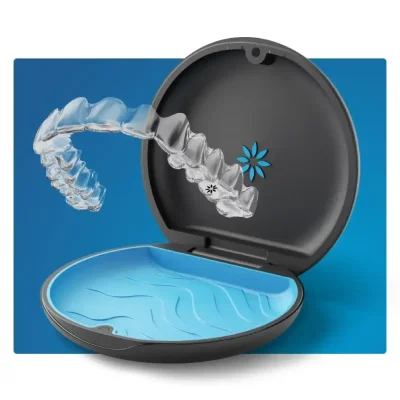 Invisalign is a revolutionary option for those who want to straighten their teeth effectively, discreetly and comfortably. This technique uses custom clear aligners that are changed periodically to move the teeth progressively.
Invisalign treatment is ideal for adults and teenagers seeking discreet orthodontic treatment without the hassles of traditional braces.
One of Invisalign’s biggest advantages is how personalized it is. Using advanced technology, a specific treatment plan is created for each patient, taking into account individual needs and the estimated treatment time.
In addition, the clear aligner is removable, which makes oral hygiene easier and lets the patient keep eating without restrictions.
Discreet, effective braces in Ipanema: Invisalign at Fontes Odontologia
If you are looking for discreet, effective and comfortable orthodontic treatment in Ipanema and the surrounding area, Fontes Odontologia offers Invisalign treatment, the perfect choice for patients who want to correct their tooth alignment without drawing attention. Our team of specialists is ready to help you achieve an aligned, healthy smile, with all the comfort and discretion Invisalign offers.
Contact us and book an appointment to find out more about the orthodontic treatment options. We are ready to help you achieve excellent oral health!
🦷 Related treatment in Ipanema: Invisalign in Ipanema · Diastema Closure