

Dental Implants 📍 Ipanema - RJ
What they are, their advantages and how the procedure works
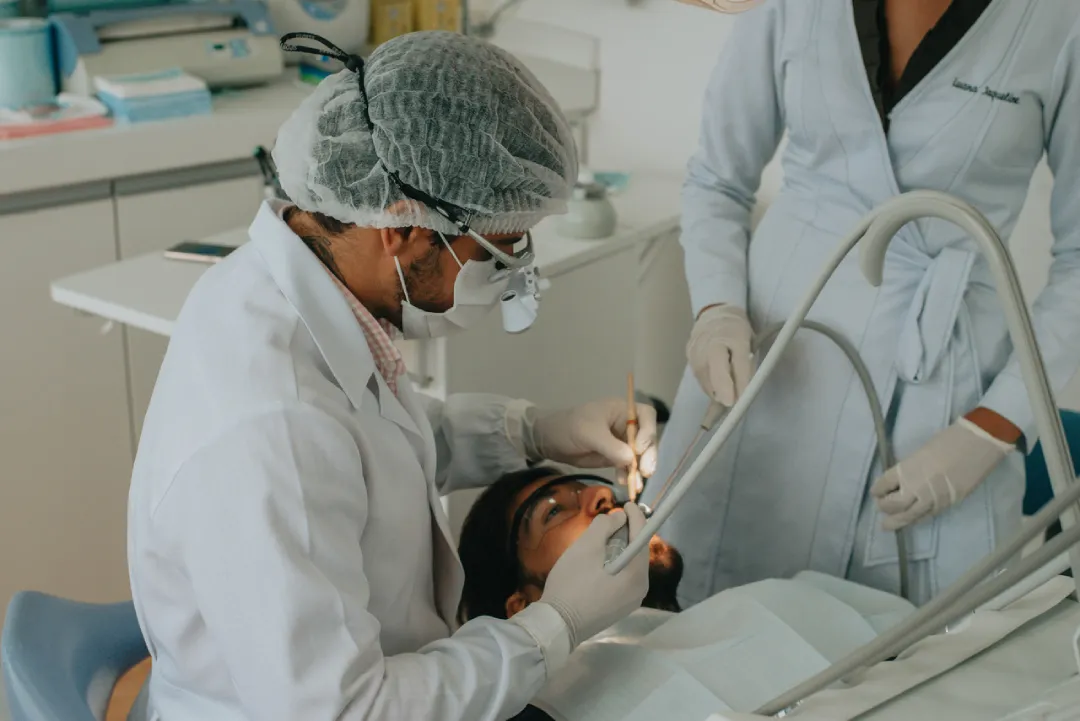
Tooth loss is a condition that affects millions of people worldwide and can be caused by many factors, such as advanced decay, periodontal disease, trauma or even genetics. Beyond the aesthetic impact, missing teeth can compromise chewing and speech, and even lead to temporomandibular joint (TMJ) problems, changes in posture and bone loss. In this context, dental implants stand out as one of the most effective and modern solutions for restoring your smile and quality of life.
If you want to understand what dental implants are, their advantages, the types available, how the procedure works and the care required, this article is for you. Here we have gathered complete information so you can make the best decision about your oral health.
What are dental implants?
Dental implants are screw-shaped metal structures, usually made of pure titanium or special biocompatible alloys, which offer high mechanical strength and excellent compatibility with human tissue.
The implant is surgically placed in the upper or lower jawbone, taking on the role of the root of the natural tooth that was lost. By replacing this root, it serves as a firm and stable base for attaching artificial teeth, such as crowns, bridges or full prostheses, giving the patient back not only proper chewing function but also an attractive smile, providing confidence and quality of life.
One of the main advantages of dental implants is a biological phenomenon called osseointegration. This is the process in which the patient’s bone tissue fuses directly with the surface of the implant, creating a solid, permanent connection. This bone integration ensures that the implant is highly stable and resistant, allowing it to withstand intense chewing forces and offering far greater durability than other traditional forms of dental prostheses, such as dentures or removable bridges.
Since dental implants became popular in dentistry in the 1980s, thanks to the pioneering work of Professor Per-Ingvar Brånemark, who discovered osseointegration, the technology has advanced significantly. Today, in addition to high-purity titanium, implants with treated surfaces are used to speed up bone integration, along with special alloys that improve strength and minimally invasive surgical techniques that make the procedure safer and more comfortable for the patient.
In addition, advances in diagnostic imaging, such as 3D CT scans, allow precise digital planning, increasing success rates and reducing risks. These technological advances, combined with modern clinical protocols, make implant treatment more accessible, faster and less traumatic, and it can be performed in specialized clinics with a high degree of safety and predictability.
Thus, dental implants not only restore chewing function and the look of the smile, but also help preserve the facial bone structure, preventing the bone resorption that naturally occurs after tooth loss, maintaining the contour of the face and avoiding changes in speech and posture. This combination of benefits makes dental implants one of the best options available today for complete oral rehabilitation.
How does an implant replace the tooth root?
The root of a natural tooth performs fundamental functions for oral health and the integrity of the facial structure. It anchors the tooth to the alveolar bone, ensuring firmness and stability during activities such as chewing and speaking. In addition, the root transmits chewing forces to the bone, providing biomechanical stimulation that is essential for maintaining bone volume and density. This continuous stimulation prevents what is known as bone resorption, a natural process that occurs when bone is no longer stimulated, leading to its gradual loss.
When a tooth is lost, whether due to decay, trauma, periodontal disease or other reasons, these functions are no longer performed. Without the tooth root and its associated functional stimulation, the body understands that that portion of bone is no longer being used, resulting in progressive resorption of the alveolar bone. Over time, this bone loss can compromise the stability of neighboring teeth, cause gum recession, make it harder to place prostheses and even lead to significant changes in facial appearance, such as sunken cheeks and premature aging of the face.
This is where the dental implant plays a crucial role. The implant, usually made of biocompatible titanium, is surgically placed in the bone and acts as a substitute for the natural root. After placement, the implant undergoes osseointegration, in which the bone grows around it and attaches to the material, forming a solid, stable union. This allows the implant to support a crown or prosthesis in the same way a natural root would support a tooth.
By re-establishing this connection between tooth and bone, the implant restores not only chewing function, but also the biological stimulation needed to preserve the bone over time. The result is the maintenance of bone volume and the natural contour of the face, avoiding the collapse and deformities common in areas without adequate bone support.
In addition, by preventing bone loss and preserving the space, the implant also prevents adjacent teeth from shifting, maintaining correct alignment of the arch and healthy occlusion (the way the teeth fit together).
So a dental implant not only replaces a lost tooth, but also preserves oral health, chewing function and facial aesthetics, offering a safe, long-lasting solution that is biologically compatible with the body.
Advantages of implants
Dental implants bring a series of benefits that go far beyond simply replacing teeth for aesthetic reasons. Here are the main advantages:
- Bone preservation: Missing teeth cause what is known as bone resorption, which happens because the bone does not receive the stimulation it needs to be maintained. By replacing the tooth root, the implant supports bone regeneration and prevents wear, keeping the facial structure firm and youthful.
- Natural, personalized aesthetics: The crowns placed on implants are custom-made, perfectly reproducing the color, shape and texture of natural teeth, ensuring a harmonious and natural smile.
- Improved chewing function: Unlike removable dentures, which can cause discomfort and insecurity, implants provide complete stability, allowing you to chew firmly and confidently without the risk of them moving.
- Comfort and security: Implants are anchored in the bone, which avoids the discomfort and sore spots caused by removable prostheses. This improves speech and the patient’s quality of life.
- Durability and strength: With proper care, implants can last a lifetime, making them a safe, long-lasting investment.
- Protection of neighboring teeth: Implants do not require grinding down adjacent teeth, unlike conventional fixed bridges, preserving the natural structure of neighboring teeth.
- Versatility: They can be used to replace a single tooth or several teeth in a row, or to support full prostheses, offering personalized solutions for every case.
Types of dental implants
Choosing the ideal implant depends on the diagnosis, clinical examination and complementary exams. Below we detail the main types so you can understand their differences and indications:
Endosteal implant
This is the most common and efficient type. Placed directly in the alveolar bone, it can come in different shapes (cylindrical, tapered, threaded), sizes and surfaces to optimize osseointegration.
- Indication: Most cases with sufficient bone.
- Advantage: Greater stability and success rate.
Subperiosteal implant
This consists of a metal framework placed on top of the bone, under the gum. It is indicated for patients with severe bone atrophy who cannot have bone grafts.
- Indication: When little bone is available and a graft is not desired.
- Disadvantage: Less integration and comfort compared with endosteal implants.
Zygomatic implant
Placed in the zygomatic bone (cheekbone), it is indicated for extreme cases of bone loss in the upper jaw, especially in patients for whom large grafts are contraindicated.
- Indication: Severe atrophy of the upper jawbone.
- Procedure: More complex; requires an experienced specialist.
Immediate implants (same day)
These are placed right after the tooth is extracted, reducing the total treatment time.
- Advantage: Preserves the bone structure and reduces the number of surgeries.
- Indication: Selected cases, with no infection in the area.
Immediate loading implants
These allow a fixed prosthesis to be fitted within 72 hours of placing the implant.
- Advantage: Quickly improves aesthetics and function.
- Indication: Patients with good bone quality and favorable conditions.
The implant placement process at our clinic in Ipanema, Rio de Janeiro
At Fontes Odontologia, implant placement is carried out with maximum safety, technology and a human touch, ensuring comfort and long-lasting results.
- Consultation and initial assessment: At this stage, we carry out a detailed analysis of your case, with a clinical examination, X-rays and CT scans to assess the quality and quantity of bone and check the overall health of your mouth.
- Digital planning: We use advanced 3D software to plan the surgery, positioning the implants with millimetric precision, planning the prostheses and avoiding surgical risks.
- Implant placement surgery: Performed under local anesthesia, the surgery is quick and minimally invasive. In selected cases, we use computer-guided techniques for added safety.
- Healing and osseointegration period: After surgery, the implant needs to integrate with the bone. This process takes 3 to 6 months and is essential for long-term success.
- Placement of the permanent prosthesis: After integration, we make your personalized crown or prosthesis, adjusting the bite and aesthetics for a perfect smile.
- Maintenance and follow-up: We offer regular follow-up to ensure the health of the implant and surrounding structures.
Post-operative care
The success of an implant depends not only on the surgical technique, but also on the patient’s care. Some recommendations:
- Avoid intense physical exertion in the first few days.
- Maintain careful oral hygiene, brushing gently and using the recommended mouthwash.
- Do not smoke or drink alcohol during the healing period.
- Strictly follow the prescribed medication.
- Eat soft foods and avoid extreme temperatures.
- Attend all follow-up appointments.
Possible complications and how to avoid them
Although implants have a high success rate (over 95%), some complications can occur:
- Infection at the implant site.
- Failed osseointegration.
- Implant rejection (rare).
- Damage to nerves or adjacent structures.
To minimize these risks, it is essential to:
- Undergo a careful prior assessment.
- Follow post-operative recommendations.
- Maintain good oral hygiene.
- Have professional follow-up.
Implants and complete oral rehabilitation
In addition to individual placement, implants make broader treatments possible, such as:
- Implant-supported prostheses: For those who have lost several teeth, fixed or removable implant-supported prostheses provide comfort and security.
- Implant-retained dentures: Dentures anchored on implants are much more stable.
- Complementary aesthetic treatments: Alignment, whitening and restorations can be combined to further improve the final result.
Why choose Fontes Odontologia for your treatment?
At Fontes Odontologia, we offer a complete, safe and highly qualified dental implant experience, combining technical knowledge, innovation and caring service.
We are committed to excellence at every stage of your care. Here is what makes our clinic the right choice to restore your smile:
1. An experienced team specialized in implant dentistry
Our highly qualified professionals have extensive training and clinical experience in dental implant surgery and oral rehabilitation. Our team continually attends refresher courses and conferences in the field, ensuring our patients receive the most modern and safe implant dentistry available.
2. Advanced technology for accurate diagnosis
We use state-of-the-art equipment such as 3D CT scans, intraoral scanning and digital planning software, which allow us to see the patient’s bone structure in detail and simulate implant placement before surgery. This technology provides greater precision, predictability and safety, reducing risks and treatment time.
3. Caring, personalized service
We know every smile is unique. That is why we carry out an individual assessment, listening to each patient’s needs and expectations. Our care is welcoming, respectful and empathetic — ideal for those who feel fear or anxiety about dental procedures.
4. A modern, safe and comfortable environment
Our clinic was designed to offer maximum comfort at every stage of treatment. From reception to the treatment room, we provide a calm, clean and well-equipped environment, with strict biosafety protocols, so you feel safe and well cared for from start to finish.
5. Proven results and ongoing follow-up
More than placing implants, we closely monitor the progress of treatment, with regular check-ups, detailed post-operative guidance and ongoing patient support. We work with high-quality materials and follow evidence-based clinical protocols, ensuring natural aesthetics, efficient chewing and long-term durability.
Book your assessment and transform your smile
If you are dealing with tooth loss, don’t put off treatment. Dental implants are the definitive solution to restore function, aesthetics and oral health.
Contact Fontes Odontologia and book your specialist assessment. We will care for your smile with dedication, technology and excellence.
📚 Read also: Types of dental implants · Dental implant techniques · Does a dental implant hurt?
🦷 Related treatments: Single Dental Implant · Immediate Load Implants
Pre-book an Appointment
Contents
Modern Implant Clinic in Ipanema
We offer exclusive, personalized dental treatments in Ipanema to provide the best experience for our patients, prioritizing comfort and well-being at every stage. Our approach is integrated, considering oral health an essential part of the body's overall balance. We use excellent dental techniques, always grounded in scientific evidence, with the aim of restoring your health and ensuring a harmonious, healthy smile.
Sedation for Surgery
An anesthetic technique that lowers a person's level of consciousness to reduce anxiety and improve patient comfort during unpleasant procedures.

Personalized Treatment
With the health of the body and the individual in mind, we offer treatments suited to the widest range of dental problems.

Intensive Care
To speed up treatment, we offer procedures designed to achieve a high degree of effectiveness in the shortest possible time.

Modern Equipment
For a better patient experience and quality of service, we offer high-tech equipment and the most modern techniques in every specialty.