

Wisdom Tooth Extraction 📍 Ipanema - RJ
Is wisdom tooth extraction always necessary? How does it work in modern dentistry?
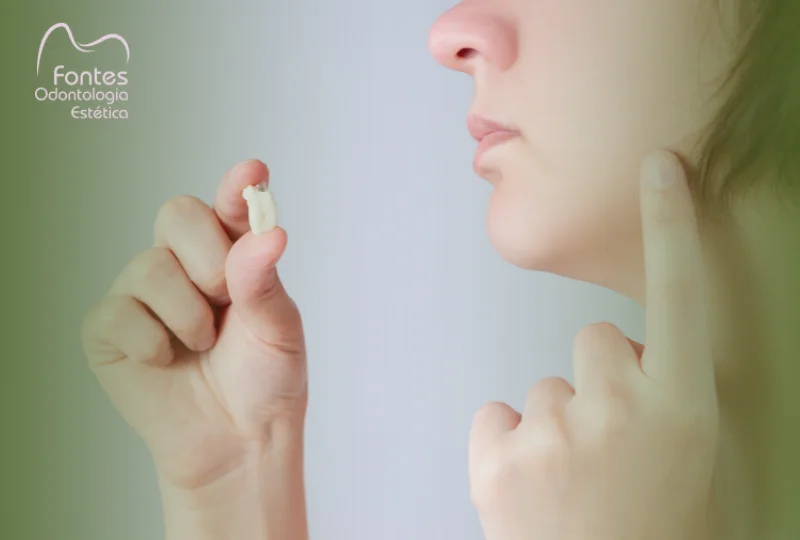
At Fontes Odontologia Ipanema, wisdom tooth removal is one of the most frequently performed procedures at the clinic, whether out of functional need, for pain relief or as part of a preventive plan to keep your smile aligned and healthy.
Wisdom tooth extraction is a very common dental procedure, but it is natural for many people to still have questions about when it is really necessary and how it is carried out.
The wisdom tooth, also known as the third molar, usually erupts between the ages of 17 and 25. However, not everyone has these teeth, and many people never need to have them extracted.
Even so, in many cases wisdom teeth can cause significant problems, such as pain, infection or even damage to other teeth in the mouth. These problems are often caused by a lack of space in the dental arch or by improper growth of the wisdom tooth, which may erupt at an angle, become impacted or remain embedded.
In addition, wisdom teeth are often hard to clean properly, which can increase the likelihood of cavities and periodontal disease. In these situations, removing the wisdom tooth becomes not just an option but a necessity to avoid more serious oral health complications.
In many cases, wisdom tooth extraction is also recommended as part of a preventive treatment plan, especially when these teeth compromise the alignment or appearance of the smile.
In this article, we cover everything you need to know about wisdom tooth extraction. We explain in detail what the removal of these teeth involves, when it is indicated, how the procedure is performed and what you can expect during recovery. The idea is to provide clear and accurate information so that you feel prepared and well informed should you need this procedure.
If you are already experiencing pain or discomfort, or simply have questions about the subject, this text will be a useful guide to understanding the steps involved in wisdom tooth extraction and what to do to ensure a smooth, complication-free recovery.
When is it necessary to extract a wisdom tooth?
Not everyone needs to have their wisdom teeth extracted, but in some cases removal is indicated. Below are some situations that may justify wisdom tooth extraction:
- Dental impaction: Wisdom teeth may not have enough space to erupt properly, which can cause pain and pressure on the gums or even push other teeth out of place. This condition is called dental impaction and usually requires extraction of the wisdom tooth.
- Embedded tooth: In some cases, the wisdom tooth cannot fully erupt or remains trapped beneath the gum. An embedded tooth can cause pain, infection and even affect neighboring teeth. Removing it may be necessary to avoid more serious complications.
- Cavities and periodontal disease: Wisdom teeth are hard to clean because of their position in the mouth, which increases the risk of cavities and periodontal disease (gum problems). If the wisdom tooth is affected by decay or the risk of infection is high, extraction may be indicated.
- Changes in the dental arch: Wisdom tooth extraction may be recommended to prevent it from shifting the position of other teeth, especially in patients who have already undergone orthodontic treatment.
Although not everyone needs to have their wisdom teeth removed, it is essential to consult a dentist to assess whether extraction is necessary in your case. If you are feeling pain or discomfort in the wisdom tooth area, it is essential to seek professional advice.
The wisdom tooth extraction process
Wisdom tooth extraction is a surgical procedure whose complexity can vary depending on the position of the tooth and other individual factors. There are different ways to perform the removal, and the type of procedure will be determined based on clinical and radiographic examinations.
- Assessment and exams: Before the extraction, the dentist carries out a complete assessment, which may include X-rays or CT scans to determine the exact position of the wisdom teeth. This helps plan the procedure and identify possible complications.
- Anesthesia: To ensure the patient’s comfort, wisdom tooth extraction is performed under local anesthesia, which blocks pain in the area where the tooth will be removed. In more complicated cases, sedation or general anesthesia may be necessary.
- Tooth removal: The dentist makes an incision in the gum to access the wisdom tooth. In some cases, part of the bone around the tooth may need to be removed to make extraction easier. Depending on the complexity, the tooth may be removed in sections.
- Closure and recovery: After removal, the dentist closes the gum with stitches and cleans the area to prevent infection. Most patients feel some discomfort and swelling in the first 48 hours, but recovery is usually smooth.
Recovery after wisdom tooth extraction
Recovery after wisdom tooth extraction varies from person to person, but it is important to follow your dentist’s recommendations to ensure a quick, complication-free recovery.
In the first few days after surgery, it is normal to feel pain, swelling and some discomfort. To relieve these symptoms, the dentist may prescribe painkillers and anti-inflammatory medication.
The recovery period can last from 3 to 7 days, depending on the complexity of the surgery and the patient’s response. During this time, rest is essential to support healing.
Post-operative care
Care after wisdom tooth extraction is crucial to ensure recovery goes smoothly. Here are some post-operative care tips:
- Avoid physical exertion: During recovery, it is important to avoid intense physical activity, such as exercise, lifting heavy objects or sudden movements. Exertion can increase bleeding and swelling, making healing more difficult.
- Avoid hard or hot foods: In the first few days after surgery, it is advisable to avoid very hard or hot foods, as they can irritate the extraction site and hinder healing. Choose softer, cold foods.
- Careful oral hygiene: Oral hygiene is essential, but you should not brush the extraction area in the first 24 hours to avoid injuring the site. After that, use a soft toothbrush and rinse gently with warm salt water to keep the area clean.
- Applying cold compresses: Using ice packs in the first 24 hours can help reduce swelling. Place the compress on the outside of the face, near the extraction area, for periods of 15 to 20 minutes.
- Avoid smoking or using straws: Sucking can dislodge blood clots and delay healing. Avoid smoking and using straws in the first few days after the extraction.
How Fontes Odontologia performs wisdom tooth extraction in Ipanema
At Fontes Odontologia, wisdom tooth extraction is carried out with all the care and precision needed to ensure the patient’s safety and comfort. At our dental clinic in Ipanema, we use modern equipment and minimally invasive techniques whenever possible, so that the procedure is as atraumatic as possible.
Our team of specialists carries out a detailed assessment and plans every step of the procedure so that the extraction is performed with maximum efficiency and care.
The Fontes Odontologia clinic has state-of-the-art facilities, ensuring a welcoming and comfortable environment for patients throughout the procedure.
In addition, we offer this service with conscious sedation, in which the patient is monitored by an anesthesiologist, making the procedure much more comfortable and safe, with complete peace of mind throughout.
Book an appointment to find out whether you need your wisdom tooth removed!
If you have questions about whether you need your wisdom teeth extracted or are experiencing pain or discomfort, book an appointment at our clinic in Ipanema. Our team is ready to assess your situation and offer the best treatment for your oral health. Don’t put it off! Contact us and book your appointment today.
📚 Read also: Wisdom teeth: when to extract
Pre-book an Appointment
Contents
Wisdom Tooth Extraction Dentists in Ipanema
We offer exclusive, personalized dental treatments in Ipanema to provide the best experience for our patients, prioritizing comfort and well-being at every stage. Our dentists take an integrated approach, considering oral health an essential part of the body's overall balance. At our clinic in Ipanema, we use excellent dental techniques, always grounded in scientific evidence, with the aim of restoring your health and ensuring a harmonious, healthy smile.
Sedation for Surgery
An anesthetic technique that lowers a person's level of consciousness to reduce anxiety and improve patient comfort during unpleasant procedures.

Personalized Treatment
With the health of the body and the individual in mind, we offer treatments suited to the widest range of dental problems.

Intensive Care
To speed up treatment, we offer procedures designed to achieve a high degree of effectiveness in the shortest possible time.

Modern Equipment
For a better patient experience and quality of service, we offer high-tech equipment and the most modern techniques in every specialty.