The wisdom tooth, also known as the third molar, is one of the most talked-about topics in dental clinics. While some people have no problems with it, for others it can mean pain, swelling and the need for surgery. The decision about when to extract a wisdom tooth and how the procedure works should be based on a careful dental assessment, taking into account factors such as its position, the space in the dental arch and the symptoms.
In this article, you will learn what a wisdom tooth is, when it needs to be extracted, how wisdom tooth extraction surgery is performed at our dental clinic in Ipanema, Rio de Janeiro, what post-operative care is needed, possible complications and why it is important to rely on experienced professionals to ensure safety and comfort throughout the process.
ℹ️ What is a wisdom tooth?
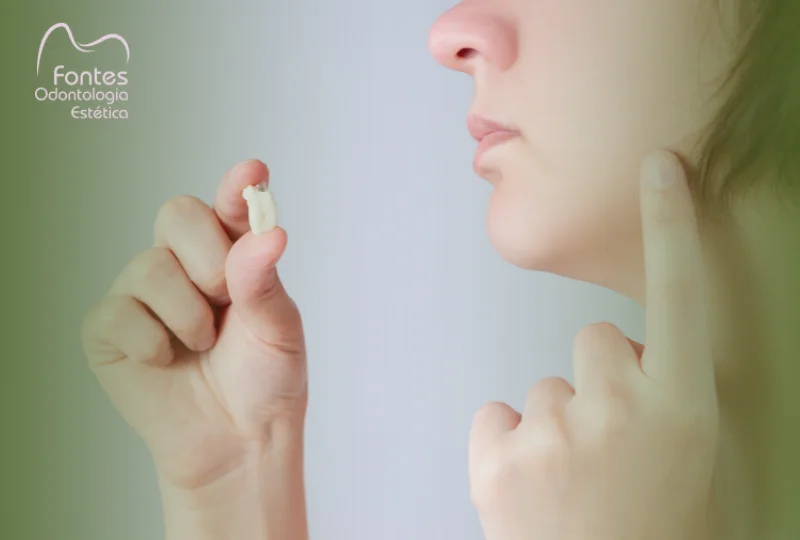
The wisdom tooth is the last tooth on each side of the dental arch, located at the back of the mouth. It usually erupts between the ages of 17 and 25, when the person is already an adult — which is why it is called the “wisdom tooth”.
In total, a person can have up to four wisdom teeth — two in the upper arch and two in the lower. However, not everyone develops all of them; in some cases one or more are missing, which is a natural, genetic trait.
Main characteristics of wisdom teeth:
- They are usually larger and sturdier than other teeth.
- They erupt last, when the dental arch is already fully formed.
- They may come in correctly or at an angle, or be partially or fully impacted (trapped in the bone or gum).
Why can wisdom teeth cause problems?
Because wisdom teeth come in last, there is often not enough room in the mouth to accommodate them properly. This can result in:
- Partial impaction: part of the tooth remains covered by the gum, encouraging food and bacteria to build up.
- Full impaction: the tooth is trapped in the bone or completely covered by the gum.
- Misalignment: the wisdom tooth can push other teeth, causing crowding.
- Inflammation and infection: such as pericoronitis, which causes intense pain and swelling.
🤔 When does a wisdom tooth need to be extracted?
Removing a wisdom tooth is not always mandatory. In some cases it comes in aligned, healthy and fully functional, and causes no harm to the dental arch or oral health. In these situations, the dentist may simply monitor it periodically with X-rays and routine check-ups to make sure it continues to cause no problems.
However, there are specific circumstances in which wisdom tooth extraction is strongly recommended, both to prevent future problems and to treat existing complications. The decision is always based on a detailed clinical assessment combined with imaging exams, which show the position, angle and stage of development of the tooth precisely.
📍 The most common reasons for removing a wisdom tooth:
- Lack of space in the dental arch — When the lower or upper jaw does not have enough room for the wisdom tooth, it may become partially trapped or come in at an angle. This can put pressure on neighboring teeth, cause misalignment and even undo previous orthodontic treatment.
- Pain and discomfort — Persistent pain at the back of the mouth, especially when chewing or opening the mouth, is a sign that something is wrong. It may be caused by gum inflammation, bacterial infection or pressure from a poorly positioned wisdom tooth against other teeth.
- Recurrent infections — When the wisdom tooth comes in partially covered by gum (a condition called “pericoronitis”), the area becomes an ideal environment for bacteria to multiply. This increases the risk of frequent infections, bad breath, swelling and pain.
- Cyst formation — In rarer situations, an impacted wisdom tooth may be involved in the development of odontogenic cysts or tumors. As well as being painful, these lesions can damage the bone and compromise adjacent teeth.
- Orthodontic prevention — During or after orthodontic treatment, wisdom teeth can cause unwanted movement in the arch, undoing the alignment achieved. In these cases, preventive removal is recommended to preserve the results of treatment.
- Damage to neighboring teeth — A poorly positioned wisdom tooth can press against and wear down the root of the second molar, causing root resorption, gum inflammation or even cavities that are hard to treat.
💡 Important: The assessment for wisdom tooth extraction should include a detailed clinical examination and radiographic analysis — usually a panoramic X-ray or CT scan — to see exactly where the tooth is and how it relates to important structures such as the inferior alveolar nerve. This is essential to ensure the procedure is performed safely, minimizing risks and ensuring a smooth recovery.
🦷 How is wisdom tooth extraction surgery performed?
Wisdom tooth surgery is a common dental procedure performed in the clinic by a dental surgeon, usually under local anesthesia to ensure comfort and no pain during the procedure. In more complex cases — such as impacted or poorly positioned teeth, or teeth close to important anatomical structures — a more elaborate surgical approach may be needed, involving specific techniques and more time.
🔢 Step by step of wisdom tooth extraction surgery:
- Initial assessment — Before surgery, the dentist carries out a detailed consultation and requests imaging exams, such as panoramic X-rays or CT scans, to identify the position and angle of the wisdom tooth and its relationship to nerves and other teeth.
- Local anesthesia — This is applied to ensure the patient feels no pain during the procedure. In specific cases or if the patient prefers, conscious sedation or even general anesthesia can be used, especially when more than one wisdom tooth is removed in the same session.
- Access to the tooth — The professional makes a small incision in the gum to expose the tooth. If necessary, part of the bone covering it is removed with high-precision instruments, carefully preserving the surrounding structures.
- Sectioning the tooth — When the wisdom tooth is impacted or in an unfavorable position, it may be cut into smaller pieces. This makes removal easier and avoids damage to the gum or bone.
- Removal and cleaning — After extraction, the dentist thoroughly cleans the area to remove any bone or tooth fragments and minimize the risk of infection.
- Stitches — Stitches may be placed to aid healing and protect the surgical area. They may be dissolvable or removed a few days later, as indicated by the professional.
- Post-operative instructions — The patient receives detailed guidance on caring for the surgical wound, controlling swelling, relieving discomfort and preventing complications. This includes recommendations on diet, oral hygiene and medication.
⏳ Average duration: Wisdom tooth extraction can take from 20 minutes to 1 hour, depending on the position, angle and accessibility of the tooth.
💡 Important: In some cases, sedation or even hospital admission may be recommended, especially when the wisdom tooth is located in an area that is difficult to access surgically.
🧑🏻⚕️ Post-operative care
The recovery period after wisdom tooth extraction requires attention to avoid complications and ensure proper healing.
Main recommendations:
- Rest for the first 24 hours.
- Ice packs applied externally to reduce swelling in the first few hours.
- Soft, cold foods for the first few days (lukewarm soups, purées, yogurt).
- Avoid physical exertion and sports for a few days.
- Do not smoke or drink alcohol during recovery.
- Careful oral hygiene, avoiding brushing directly over the surgical site for the first few days.
- Take the prescribed medication (painkillers, anti-inflammatories and antibiotics, if indicated).
Recovery time:
- Swelling usually peaks at 48 hours and then starts to go down.
- On average, initial healing takes 7 to 10 days.
- Full recovery may take a few weeks, depending on the complexity of the case.
⚠️ Possible complications of wisdom tooth extraction
Although it is a safe procedure, wisdom tooth extraction can lead to complications, especially if the recommended care is not followed.
Main possible complications:
- Infection — Usually caused by trapped food debris or poor hygiene.
- Dry socket — A painful inflammation that occurs when the blood clot does not form properly at the extraction site.
- Prolonged bleeding — More common in people taking anticoagulant medication.
- Nerve injury — In rare cases, the inferior alveolar nerve may be affected, causing temporary numbness.
- Limited mouth opening (trismus) — May occur due to muscle inflammation.
🛡️ How to avoid complications: Following all of your dentist’s instructions correctly is essential to prevent problems.
👉🏻 Book your assessment to have your wisdom tooth removed safely at Fontes Odonto in Ipanema!
If you are feeling wisdom tooth pain, have noticed swelling after an extraction or think you need to have one or more wisdom teeth removed, it is essential to see an experienced dentist.
At Fontes Odontologia, we perform wisdom tooth extraction surgery with modern techniques, safe anesthesia and close follow-up throughout recovery. Our goal is to ensure maximum comfort, safety and peace of mind for you.
📞 Book your assessment and find out the right time to have your wisdom tooth removed by people who know what they are doing!
📍 Address: R. Visc. de Pirajá, 351 – room 801 – Ipanema, Rio de Janeiro
🦷 Related treatment in Ipanema: Wisdom Tooth Extraction