Bruxism is a very common dysfunction that affects people of all ages and is characterized by unconsciously clenching or grinding the teeth, mainly during sleep. Although it often goes unnoticed, bruxism can cause significant damage to oral health, such as tooth wear, muscle pain, changes in the temporomandibular joint (TMJ) and even tooth fractures.
One of the most effective ways to minimize the effects of bruxism is to use an occlusal splint, also known as a bruxism appliance or night guard. But with so many options available, the question arises: which night guard is best for your case? In this article, we explore everything about bruxism: its causes, symptoms, types of night guards, criteria for choosing the best solution, complementary treatments and when to seek professional help.
ℹ️ What is bruxism?
Bruxism is classified as an oral parafunction, that is, an involuntary, repetitive behavior with no specific functional purpose. Although it often goes unnoticed, this habit can have significant, harmful consequences for both oral and general health. Bruxism shows up mainly as clenching or grinding of the teeth, resulting in muscle overload, tooth wear and damage to the facial joints.
This disorder can occur at two different times: during the day (awake or daytime bruxism) and at night (sleep or night-time bruxism). Night-time bruxism is more common and is often related to neurological, behavioral and emotional factors such as anxiety, stress or sleep disorders.
The two main types of bruxism are:
- Awake (Daytime) Bruxism: This type is mainly characterized by involuntary clenching of the teeth during the day, often without the person noticing. It usually happens at moments of greater concentration, stress, emotional tension or worry, such as while driving, working or studying. Although it is not as destructive as night-time bruxism, it can cause muscle fatigue, facial pain and headaches.
- Sleep (Night-time) Bruxism: This is the most prevalent and potentially most harmful type, as it occurs unconsciously during sleep and can include both clenching and grinding, producing characteristic sounds that others may hear. Besides the noise, sleep bruxism is directly associated with enamel wear, tooth fractures and temporomandibular joint (TMJ) dysfunction.
Both types of bruxism can cause a variety of symptoms and complications, from progressive tooth wear and sensitivity to chronic muscle pain, postural changes and negative effects on quality of life. For this reason, bruxism should not be seen as just a “bad habit” or a harmless quirk.
In fact, it is considered a complex functional disorder that requires an accurate diagnosis and an appropriate therapeutic approach. Treatment can range from occlusal splints to protect the teeth to psychological interventions such as cognitive behavioral therapy for stress management, as well as muscle relaxation techniques and bite adjustments.
Understanding the differences between the types of bruxism, their possible causes and their effects is therefore essential for effective prevention, preserving oral health and ensuring a better quality of life.
If you suspect you have bruxism, whether during the day or at night, it is essential to see a specialized dentist for a complete assessment and advice on the best treatment options.
🫤 Symptoms of Bruxism
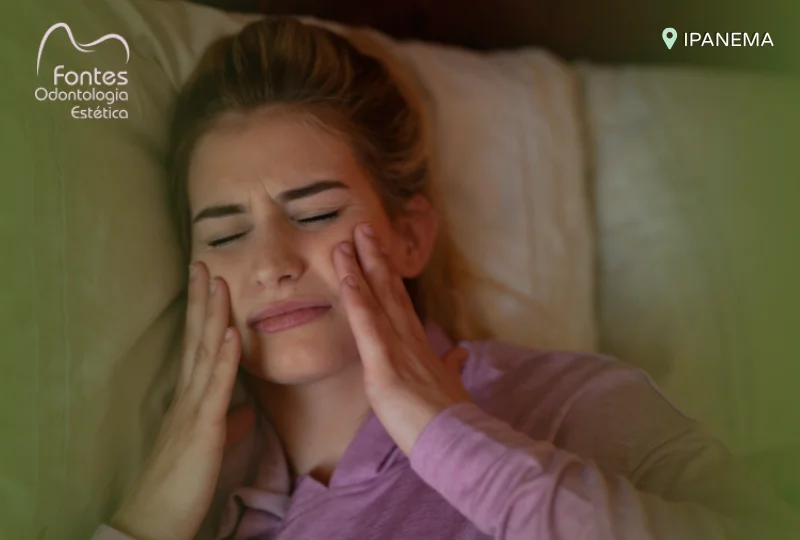
The symptoms of bruxism can vary according to the intensity and duration of the parafunction. The most common signs include:
- Tooth wear: Constant friction wears down the enamel and dentin, exposing the inner structures of the tooth.
- Facial and jaw pain: Muscle overload causes pain in the face, head and neck.
- Tension headaches: Recurring headaches, especially on waking.
- Tooth sensitivity: Wear can expose nerve endings, causing pain when eating cold, hot or sweet foods.
- TMJ pain and clicking: The temporomandibular joint can become overloaded, resulting in clicking, pain and difficulty moving the jaw.
- Sleep disturbances: Night-time bruxism can affect sleep quality and prevent proper rest.
Causes of Bruxism
The causes of bruxism are multifactorial and involve physical, emotional and behavioral factors, such as:
- Stress and anxiety: The most common causes, especially of awake bruxism.
- Sleep disorders: Obstructive sleep apnea and other conditions can trigger episodes of night-time bruxism.
- Genetic factors: Having family members with bruxism increases the risk.
- Dental malocclusion: Misaligned teeth can predispose to involuntary grinding.
- Substance use: Caffeine, alcohol and tobacco can make the condition worse.
- Certain medications: Antidepressants, for example, may be associated with bruxism.
Recognizing the symptoms and identifying the causes is essential for effective, targeted treatment.
🤐 Types of night guards for bruxism
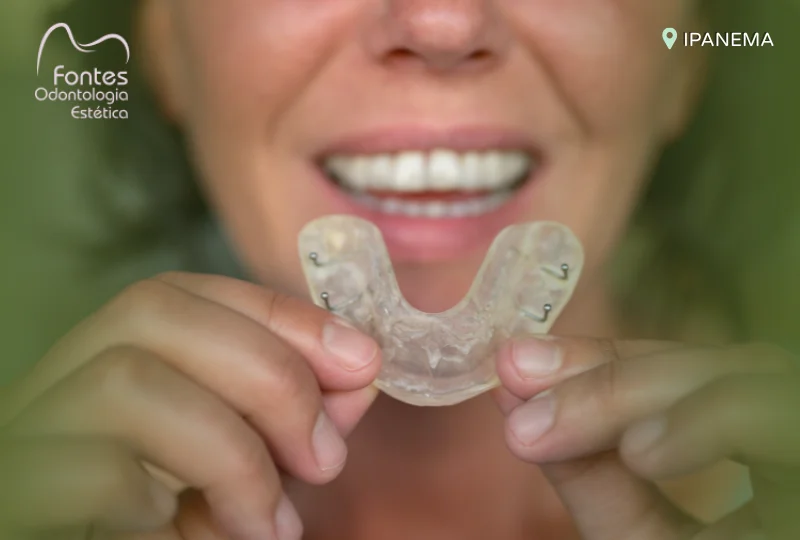
Bruxism night guards are custom-made intraoral devices designed to protect the teeth from wear, reduce muscle tension and preserve the joints. There are different types, recommended according to the severity of the bruxism, the patient’s comfort and cost-effectiveness.
1. Hard Acrylic Occlusal Splint
The hard acrylic splint is the most widely used, especially for moderate to severe bruxism.
Advantages:
- High durability.
- Effective protection of the teeth.
- Promotes muscle relaxation.
- Makes bite adjustment by the dentist easier.
Disadvantages:
- Can be uncomfortable at first.
- Requires gradual adaptation.
Indicated mainly for people who grind their teeth forcefully, as it creates a rigid barrier that prevents wear.
2. Silicone Night Guard
Made from a softer material, it is ideal for mild cases or when the patient is sensitive to rigid devices.
Advantages:
- Greater comfort.
- Quick adaptation.
- Generally more affordable.
Disadvantages:
- Less durable.
- May not be effective in severe cases.
Recommended for people who clench their teeth but do not grind them forcefully.
3. Acetate Night Guard
Made of clear acetate, it is an aesthetic and functional alternative for protecting the teeth from mild to moderate wear.
Advantages:
- Discreet, almost invisible.
- Comfortable.
- Good protection against mild wear.
Disadvantages:
- Intermediate durability.
- May not withstand excessive forces.
🤔 How to choose the best night guard for bruxism
Choosing the best night guard should be done with the help of a specialized dentist, after a complete assessment of the patient’s oral condition and habits.
Important factors in the choice:
- Severity of bruxism: More severe cases require more resistant night guards.
- Comfort: It is essential that the patient can wear the night guard regularly.
- Durability: Hard night guards tend to last longer but may be less comfortable.
- Aesthetics: Patients who value discretion may prefer clear night guards.
- Budget: The cost of night guards varies according to the material and the complexity of the case.
In addition, the dentist can make periodic adjustments to the night guard to ensure it remains effective and comfortable.
🧑🏻⚕️ Alternative treatments
Although night guards are the most common solution, there are other approaches that can complement or, in some cases, replace them.
- Botulinum Toxin Injections (Botox): Botox injections in the chewing muscles can reduce the intensity of muscle contractions and, consequently, bruxism. This approach is considered in more complex cases, when other therapies have not been effective.
- Cognitive Behavioral Therapy (CBT): Indicated for patients whose bruxism is related to stress, anxiety or other emotional factors. CBT helps identify triggers and develop coping strategies.
- Relaxation Techniques: Activities such as yoga, meditation, physical therapy and massage can relieve muscle tension and reduce how often bruxism occurs.
- Bite Adjustment: In cases of malocclusion, the dentist may recommend orthodontic treatment or selective reshaping to balance the bite and reduce bruxism.
- Medication: In some situations, the following may be prescribed:
- Muscle relaxants.
- Painkillers.
- Anti-anxiety medication (in cases of bruxism associated with severe anxiety).
🦷 Related treatment in Ipanema: Botox (Botulinum Toxin) · Dental Crowns
🗓️ Book Your Appointment and Protect Your Teeth Against Bruxism!
If you have symptoms of bruxism, such as jaw pain, tooth wear or frequent headaches, don’t put off treatment. Untreated bruxism can progress to more serious conditions, compromising your oral health and quality of life.
At Fontes Odontologia, we have a specialized team, cutting-edge technology and modern facilities to diagnose, treat and monitor bruxism effectively and on a personalized basis.
We offer:
- A detailed assessment of the condition, with functional analysis of the temporomandibular joint (TMJ), tooth wear patterns and orofacial muscles, using modern equipment and complementary exams such as X-rays or CT scans when necessary.
- Custom-made occlusal splints, produced from high-quality materials and individually adjusted for each patient. The occlusal splint, also known as a bruxism appliance, acts as a protective barrier, preventing tooth wear and reducing muscle overload, providing pain relief and long-term protection.
- Guidance on habits and relaxation techniques, which are essential for controlling bruxism, especially in cases associated with stress and anxiety. Our multidisciplinary team can recommend complementary therapies such as orofacial physical therapy, breathing exercises, mindfulness and even referral for psychological support if needed.
- Complementary treatments such as bite adjustment — small corrections to the contact between the teeth to balance the bite and reduce muscle overload — and, in specific cases, botulinum toxin (Botox) injections. Botox relaxes the chewing muscles, reducing the force of involuntary movements and providing effective, long-lasting relief.
Book your appointment now and protect your smile! Don’t wait for bruxism to cause irreversible damage. Count on the care and experience of our team to live with more health and well-being.